


eReader-eBooks,Webnovels&More
4.3466.00 Reviews
App Specs
- Version
- 3.1.4
- Updated On
- License
- Free
- Downloads
- 100,000+
- Developer
- eReader LTD
- Categories
- Entertainment
- Platform
- Android
Screenshots




 Analysis by AppCompare
I approached eReader-eBooks,Webnovels&More as an entertainment app for readers who prefer an ongoing stream of digital fiction rather than a single finished book. Its focus is clear from the start: it brings popular novels and continuing stories into a mobile reading environment, with the convenience and unpredictability that come with reading on a phone. After spending time with it, I found that the most important question is not simply whether you enjoy novels, but whether you are comfortable with a reading habit shaped by connectivity, changing story availability, and in-app purchasing.
The app is free to install, and it comes from eReader LTD. It sits in the entertainment category, carries a Teen content rating, and has built a visible audience with more than one hundred thousand installs. A 4.3 average from roughly four thousand eight hundred ratings suggests that many readers find the basic experience worthwhile, although the rating also leaves room for the usual differences in taste, catalog expectations, and tolerance for monetization.
How connected reading changes the experience
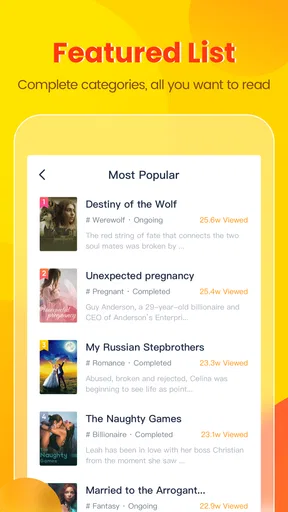
The strongest part of this app is the sense of having a large reading queue within reach whenever I have a few spare minutes. Instead of deciding on one long book before leaving home, I can browse ongoing novels and move between stories according to my mood. That works particularly well for readers who enjoy serialized fiction, because an unfinished story can become a regular part of the day rather than a one-time purchase.
Connectivity is central to that experience. Browsing a large catalog, opening story pages, and continuing through a frequently changing selection all feel like activities designed around an active connection. I would not treat the app as a guaranteed replacement for a traditional downloaded ebook reader. If my priority were to load a fixed library once and read it anywhere without thinking about network access, a conventional ebook app would be a more predictable choice.
That distinction matters during small gaps in the day. On a commute, in a waiting room, or while taking a short break, I may open the app expecting to continue immediately. When the connection is stable, this is convenient. When it is weak, the experience becomes less certain because the reading habit depends on the app being able to reach the relevant content at the moment I want it.
I also found that ongoing fiction changes how I judge the app. With a completed ebook, I can assess the whole reading experience from beginning to end. With webnovels, I am often deciding whether the premise, pacing, and update rhythm justify returning later. That makes discovery important, but it also means the app is not ideal for someone who dislikes unfinished narratives or wants a definite ending before investing time.
What works during ordinary mobile moments
The app makes the most sense in short, repeatable reading sessions. I can imagine using it after dinner, during a lunch break, or before bed when I want something lighter than a film and more absorbing than casual scrolling. The entertainment category is a good fit because the app is built around passing time with stories, not around research, note-taking, or professional reading.
Worth Reading Before You Choose

EA SPORTS FC Mobile 26 Is a Bigger Football Game, but It Takes Time

Flipboard Shows What News Apps Must Do Beyond the Feed

Switching to Android Auto Means Rethinking Your Driving Routine

Google Calendar Makes a Crowded Week Easier to Manage

Ludo King Makes the Most of the Minutes Between Plans

Baby Panda World Brings Quick Play to Modern Phones, but Its Game Library Feels Busy
A realistic routine would be to keep one ongoing novel for focused reading and use the wider catalog when I want a change of tone. That approach prevents endless browsing from becoming the main activity. I would also recommend checking the story details before committing attention, especially when the work is ongoing. The central trade-off is simple: serialized reading offers a steady supply of new material, but it can also leave me waiting for continuation instead of reaching a satisfying conclusion.
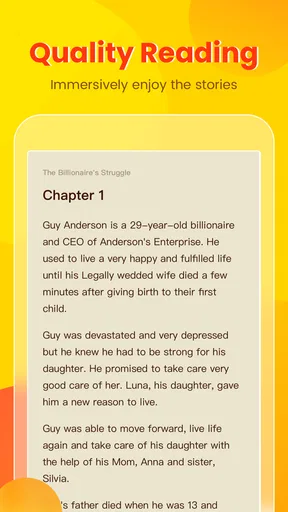
On a smaller phone, the value of the app depends heavily on whether the reading presentation feels comfortable to your eyes. I would test it in the lighting where I normally read rather than judging it only in a bright room. A phone is convenient, but it is still a phone, and long sessions may feel less relaxed than reading on an e-reader or a dedicated book app designed around a personal library.
For a teenager or adult who enjoys popular fiction and does not mind reading on a mobile screen, the Teen rating makes the intended audience reasonably clear. I would still make individual choices based on the tone of each novel, since a broad age label does not tell me whether every story will match my preferences. Parents choosing it for a younger reader should remain involved in selecting content rather than treating the general rating as a personal recommendation.
Practical habits for limited or unreliable connections
My first practical tip is to open the app before the moment when I expect to read. If I know I will have a short break, checking the selected story while the connection is dependable is less frustrating than waiting until I am already offline or in a weak-signal area. I would not assume that every chapter or story remains available without a connection, so I would plan around access rather than promise myself uninterrupted reading.
A second useful habit is to avoid changing between many novels when the network is poor. Repeatedly opening new story pages can turn a simple reading session into a cycle of loading and backing out. Choosing one story in advance reduces that friction. It also makes it easier to notice whether the problem is with a particular page or with the connection itself.
A third tip is to separate catalog exploration from actual reading. When I have reliable Wi-Fi, I can browse, compare premises, and decide what deserves attention. Later, on mobile data, I can concentrate on the story I already chose. This two-stage workflow is more data-conscious than opening every recommendation simply because it appears on screen, and it helps the app feel more like a personal reading queue than an endless feed.
These habits are especially relevant because the app includes in-app purchases ranging from under a dollar to amounts approaching one hundred dollars per item. The free entry point is attractive, but I would pay close attention before confirming any purchase. Readers should decide in advance how much they are comfortable spending on an ongoing story, particularly when several novels compete for attention. A small individual purchase can feel harmless, while repeated spending across multiple stories can change the overall cost quickly.
What happens when the connection fails
Network failure is where I notice the difference between this kind of service and a standard ebook reader most clearly. A dedicated ebook app usually centers on books already placed in a personal library. Here, the experience is more closely tied to reaching the catalog and the story content through the app. If a page does not load, I have fewer ways to work around the problem than I would with a book stored locally.
When a story fails to open, I would first check whether other parts of the app respond. If the catalog also struggles, the likely issue is connectivity rather than the individual novel. Closing and reopening the relevant screen, moving to a stronger signal, or trying again later are sensible recovery steps. I would avoid repeatedly tapping purchase or navigation controls during a delay, since slow responses can make it unclear whether an action has been accepted.
This is another reason I would not begin an important reading session with an expectation of guaranteed access. The app is better suited to flexible entertainment than to a situation where I absolutely need a book to be available at a specific time. If I were traveling through areas with uncertain reception, I would bring a separate reading option whose access model I already understood.
Recovery also involves remembering where I was. With ongoing novels, losing the exact point can be more confusing than losing a page in a completed book, especially when several stories have similar names or recurring characters. I would keep my active reading list small and make a mental note of the last chapter or scene before switching away. That is a simple personal workaround, but it reduces the cost of interrupted sessions.
The app’s current version is 3.1.4, and it supports devices running Android 7.0 or later. That makes it accessible to people using older Android hardware, although compatibility alone does not guarantee that every older phone will feel equally comfortable for reading. Screen size, battery condition, and general responsiveness still matter. I would update when possible, but I would also judge the app on the device I actually plan to use rather than assuming a newer phone is necessary.
Keeping mobile data and spending under control
Because the app is free to download but offers paid items, I would treat two kinds of consumption separately: network use and story spending. The first is managed through reading habits; the second requires deliberate purchase decisions. I would use a home or trusted Wi-Fi connection for browsing large portions of the catalog, then reserve mobile data for the story I have already chosen.
I would also resist the urge to interpret every attractive recommendation as something I need to start. A broad selection is useful only when I can manage it. Following too many ongoing novels can create both financial pressure and reading fatigue. One of the less obvious trade-offs of a large serialized catalog is that discovery can become work. A smaller rotation makes it easier to remember each plot, notice whether a story is still holding my interest, and decide whether a purchase is worthwhile.
For anyone sharing a phone or handing it to a younger reader, purchase awareness is important. The Teen rating tells me the app is not aimed exclusively at children, and the price range means the free installation should not be confused with an entirely cost-free reading experience. I would review purchase prompts carefully and avoid treating the app like an unlimited subscription unless the individual story terms clearly fit that expectation.
Compared with a library app, this service feels more immediate and entertainment-focused, but it may offer less of the calm, fixed borrowing structure that library readers appreciate. Compared with a standard ebook store, it is more appealing if I enjoy continuing web fiction and discovering popular serials, while a traditional store is usually better when I want to buy one finished title and keep my reading plan simple. Compared with physical books, the app wins on portability but loses some of the separation from notifications, battery concerns, and phone distractions.
Who should choose it, and who should look elsewhere?
I would recommend it to readers who enjoy trying several novels, like returning to ongoing stories, and want entertainment available on a familiar Android device. It is also a good match for someone who reads in brief sessions and appreciates having many possible stories rather than carrying a single book through the day. The free installation lowers the barrier to testing the style of reading before deciding whether it belongs in a regular routine.
I would be more cautious if you want a polished, distraction-free reading environment, a guaranteed offline library, or a clear one-time price for every book. In those cases, a dedicated ebook reader may better match your expectations. I would also suggest skipping it if unfinished stories frustrate you or if you prefer to avoid in-app purchases entirely. The app’s model asks me to be comfortable with both serialized content and the possibility of spending selectively as I continue.
Readers with older Android phones should check that their device runs Android 7.0 or later before planning around the app. Those using iOS should verify availability through the appropriate platform before relying on it, because the version and operating-system detail available here specifically describes the Android requirement. That small check can prevent an unnecessary download attempt and is more useful than assuming every app experience is identical across platforms.
The developer, eReader LTD, has positioned the product around a broad fiction experience rather than a narrow single-genre tool. That breadth is helpful when I want to browse, but it also means the app may require patience to find stories that genuinely suit me. I would spend a little time identifying the kinds of novels I actually finish instead of judging the entire service by the first recommendation shown.
My verdict on a connected reading habit
After using it as an entertainment reader, I see eReader-eBooks,Webnovels&More as a flexible doorway into ongoing fiction, not as a complete substitute for every form of digital reading. Its appeal comes from variety, quick access, and the pleasure of following stories over time. Its limitations appear when the connection is unreliable, when I need a book to be available without preparation, or when a long list of paid chapters makes spending difficult to track.
The best way to use it is deliberately: browse when the connection is strong, keep a manageable reading queue, choose stories with the Teen audience in mind, and set a personal spending limit before purchasing. Those steps make the free app easier to evaluate honestly. They also protect the casual reading experience from becoming an expensive or frustrating habit.
With a 4.3 average and around four thousand eight hundred ratings, it has enough user interest to be worth trying for the right reader. I would start with one or two stories rather than filling the library immediately, then judge whether the writing, update pattern, network dependence, and purchase flow fit my routine. The key trade-off is convenience versus control: the app makes a large world of ongoing novels easy to reach, but a traditional ebook solution remains better when I want stable offline access, a finished book, and a simpler cost structure.
Pros
- Supports multiple ebook formats for flexible reading
- Built-in library tools make large collections easy to organize
- Adjustable fonts
- themes
- and spacing improve reading comfort
- Webnovel access provides a steady stream of new content
- Reading progress sync keeps your place across supported devices
Cons
- Some advanced features may require a premium subscription
- Content availability can vary by region and publisher
- Webnovel quality may be inconsistent between different authors
- Large bookshelves can take time to organize manually
- Offline access may not work for every available title
FAQs for eReader-eBooks,Webnovels&More
What is eReader-eBooks, Webnovels & More?
eReader-eBooks, Webnovels & More is a digital reading app designed for users who enjoy ebooks, serialized webnovels, and other written content in one place. After exploring its interface, I found that the app focuses on convenient reading, content discovery, and organizing titles for later access. It is aimed at casual readers as well as people who regularly follow ongoing stories.
What kind of books and stories can I read in the app?
The app provides access to a broad selection of digital reading material, including ebooks, webnovels, serialized fiction, and potentially different genres depending on the available catalog and your region. Readers can usually browse recommendations, search for specific titles, and discover new authors. Before downloading, remember that content availability may change, and some stories or categories could require an account or additional purchase.
Is eReader-eBooks, Webnovels & More free to download and use?
The application can generally be downloaded without an upfront installation fee, but the reading experience may include free content alongside premium books, paid chapters, subscriptions, advertisements, or optional in-app purchases. The exact pricing depends on the title and your location. I recommend checking the app store listing and purchase details carefully before unlocking chapters or subscribing, especially if you plan to read several ongoing webnovels.
Does the app support offline reading?
Offline reading may be available for selected books or chapters, allowing you to continue reading when traveling or when your internet connection is unreliable. However, downloaded content can have limitations, such as requiring an initial online sync, taking up storage space, or becoming unavailable after access rights change. Check each title’s download option and review the app permissions before saving a large library for offline use.
Is the app suitable for children and does it offer reading controls?
The app may contain stories intended for different age groups, including mature themes, romance, violence, or other content that is not appropriate for younger readers. Parents should review the store rating, content descriptions, and any available account or parental controls before allowing children to use it. Readers should also check privacy settings and notification options, since recommendations and updates may be personalized according to activity.


